
Introduction
If you've ever requested a quote for a new website, you've probably noticed that prices can vary significantly.
One web designer might offer a website for €800, while another agency quotes €3,000 or more.
Why the difference?
The answer often lies in what's included.
Many business owners focus only on the final price without fully understanding what they're paying for.
A professional website is much more than a collection of pages. It involves strategy, design, development, optimization, testing, and ongoing support.
Understanding what should be included in website design services can help you compare proposals more effectively and make better decisions for your business.
Why Understanding Website Design Services Matters

When businesses compare quotes solely based on cost, they often overlook important details.
Two websites may appear similar on the surface, yet differ dramatically in:
- SEO readiness
- Mobile performance
- Security
- User experience
- Lead generation capabilities
Understanding the components of professional web design allows you to evaluate value rather than price alone.
1. Discovery and Planning
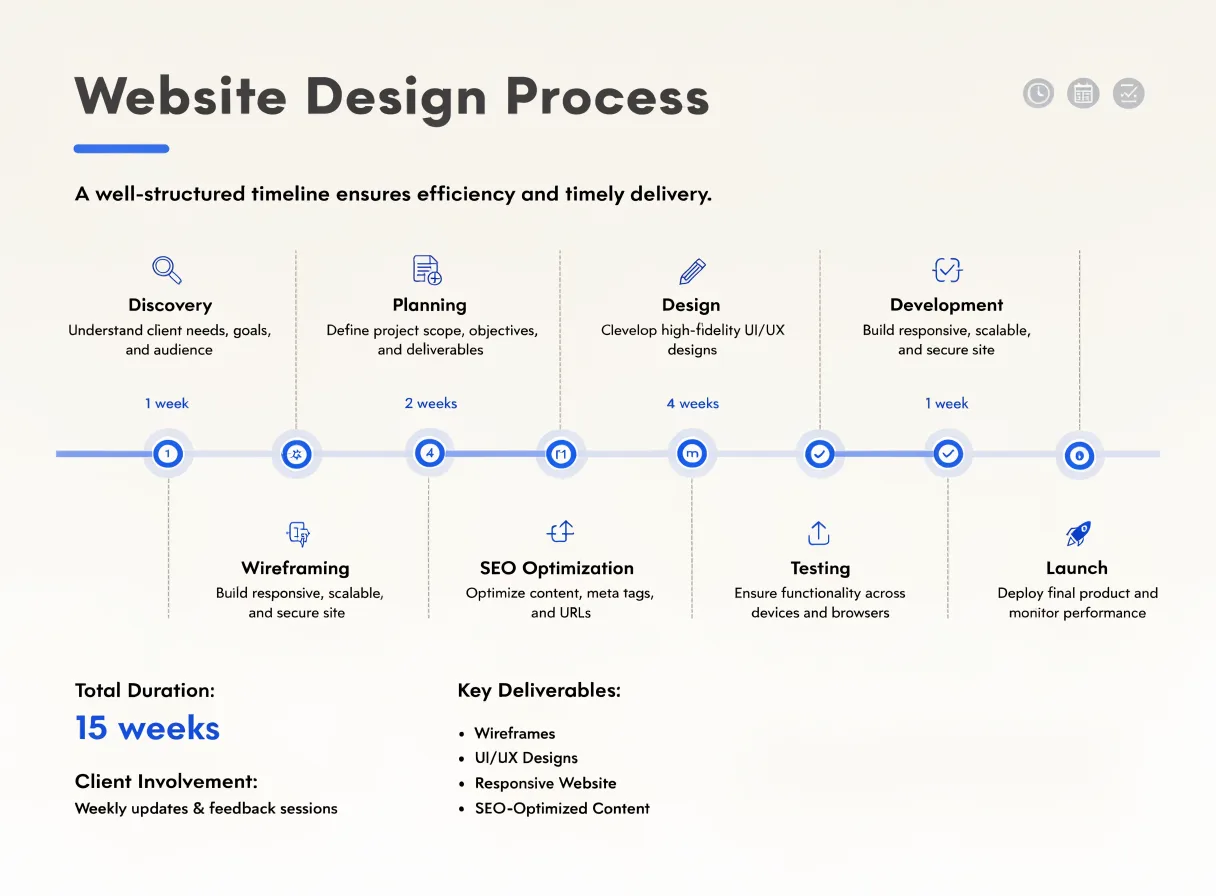
Every successful website starts with a planning phase.
Professional web designers take time to understand:
- Your Business
- What you do
- Your target audience
- Your goals
- Your Competitors
- Industry standards
- Market positioning
- Opportunities to stand out
- Your Website Objectives
Do you want to:
- Generate leads?
- Sell products?
- Book appointments?
- Build brand awareness?
The answers influence every design decision.
2. Website Structure and Sitemap
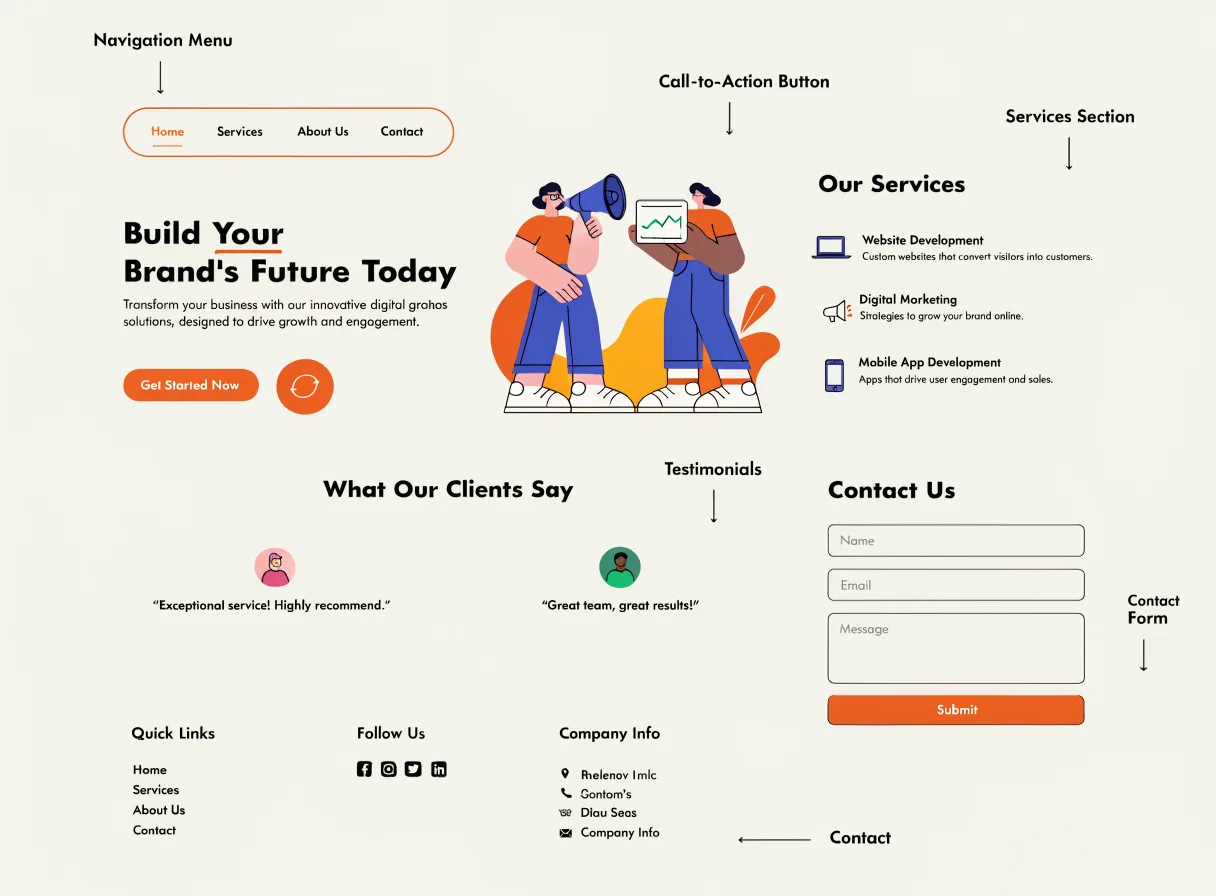
Before design begins, professionals usually create a sitemap.
A sitemap outlines:
- Main pages
- Navigation structure
- User journey
Typical pages include:
- Home
- About
- Services
- Portfolio
- Blog
- Contact
Good structure improves both user experience and SEO.
3. Custom Website Design
This is the visual design phase.
Professional designers create layouts that align with:
- Your brand identity
- Your audience
- Your business goals
This often includes:
Homepage Design
Your most important page.
Service Pages
Designed to explain what you offer.
Contact Page
Focused on generating inquiries.
Landing Pages
Created for marketing campaigns and conversions.
4. Responsive Mobile Design
A professional website should work flawlessly across all devices.
This includes:
- Smartphones
- Tablets
- Laptops
- Desktop computers
Responsive design ensures visitors enjoy a consistent experience regardless of screen size.
Since Google prioritizes mobile-first indexing, this is essential.
5. Website Development
Once the design is approved, developers build the website.
This stage includes:
- Page creation
- Functionality implementation
- Contact forms
- Interactive elements
- Content management setup
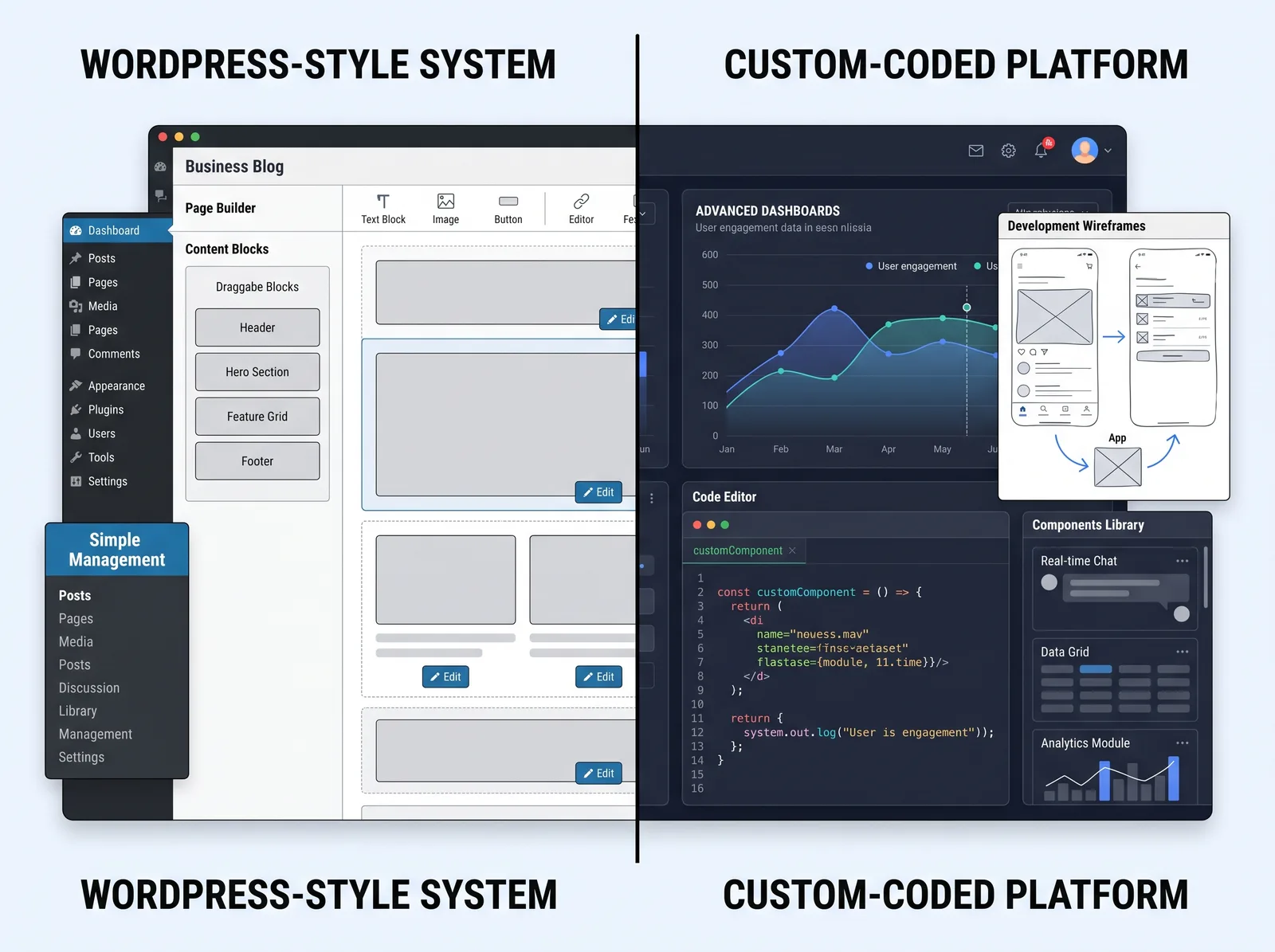
Most business websites today are built using platforms such as WordPress.
6. Content Integration
Many website owners don't realize content must be properly formatted and structured.
Professional services often include:
Text Formatting
Ensuring readability and consistency.
Image Placement
Optimizing visuals throughout the website.
Content Upload
Adding service descriptions, company information, and other materials.
Some agencies also provide copywriting services.
7. Basic SEO Setup
A professional website should include foundational SEO.
This often covers:
Meta Titles
Optimized page titles.
Meta Descriptions
Search-friendly summaries.
URL Structure
Clean, readable URLs.
Heading Structure
Proper H1, H2, and H3 formatting.
XML Sitemap
Helping search engines index the website.
SEO should not be treated as an optional extra.
8. Website Speed Optimization
Speed affects:
- User experience
- SEO rankings
- Conversion rates
Professional designers optimize performance through:
- Image compression
- Efficient code
- Caching
- Hosting recommendations
Fast websites generally perform better.
9. Security Setup
Website security is critical.
Professional website design services often include:
SSL Certificate Setup
Enables secure HTTPS browsing.
Security Configuration
Protection against attacks and spam.
Backups
Regular backup systems to prevent data loss.
Visitors trust secure websites more.
10. Contact Forms and Lead Generation Features
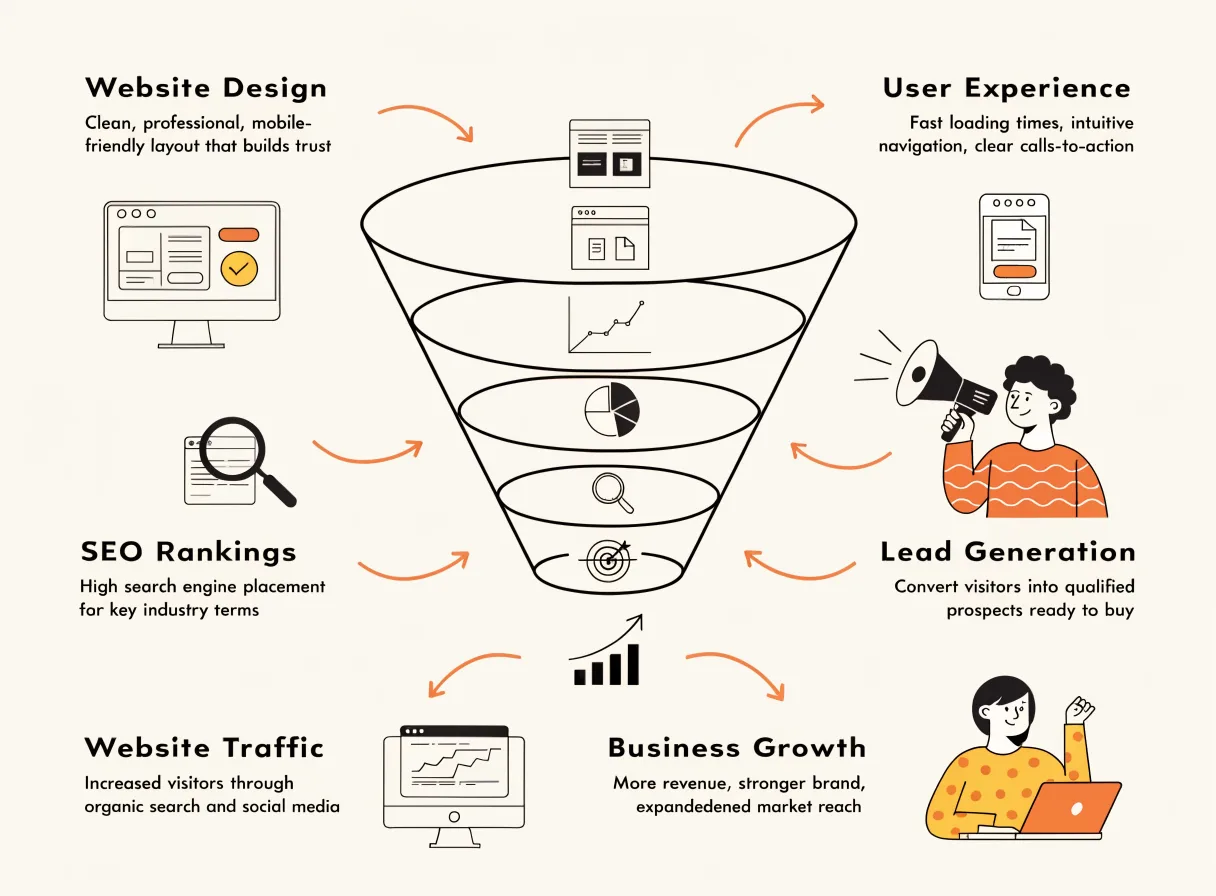
Most businesses want their website to generate inquiries.
Professional services usually include:
- Contact forms
- Quote request forms
- Call buttons
- Lead capture forms
These features help turn visitors into potential customers.
11. Google Analytics and Tracking Setup
Tracking helps measure performance.
Professional website projects often include:
Analytics Installation
Monitor visitor behavior.
Conversion Tracking
Track inquiries and leads.
Performance Reporting
Measure website effectiveness.
Without tracking, it's difficult to improve results.
12. Testing Before Launch
Before a website goes live, it should be thoroughly tested.
This includes:
Mobile Testing
Ensuring proper display on all devices.
Browser Testing
Checking compatibility with:
- Chrome
- Safari
- Firefox
- Edge
Form Testing
Verifying submissions work correctly.
Speed Testing
Checking performance.
Professional testing prevents costly issues after launch.
13. Website Launch
The launch process includes:
- Domain connection
- Hosting setup
- SSL activation
- Final checks
- Search engine indexing
A professional launch ensures a smooth transition.
14. Training and Support
Many agencies provide training after launch.
This helps business owners learn:
- How to update pages
- How to add blog posts
- How to manage content
Some also offer ongoing maintenance packages.
What's Usually NOT Included?
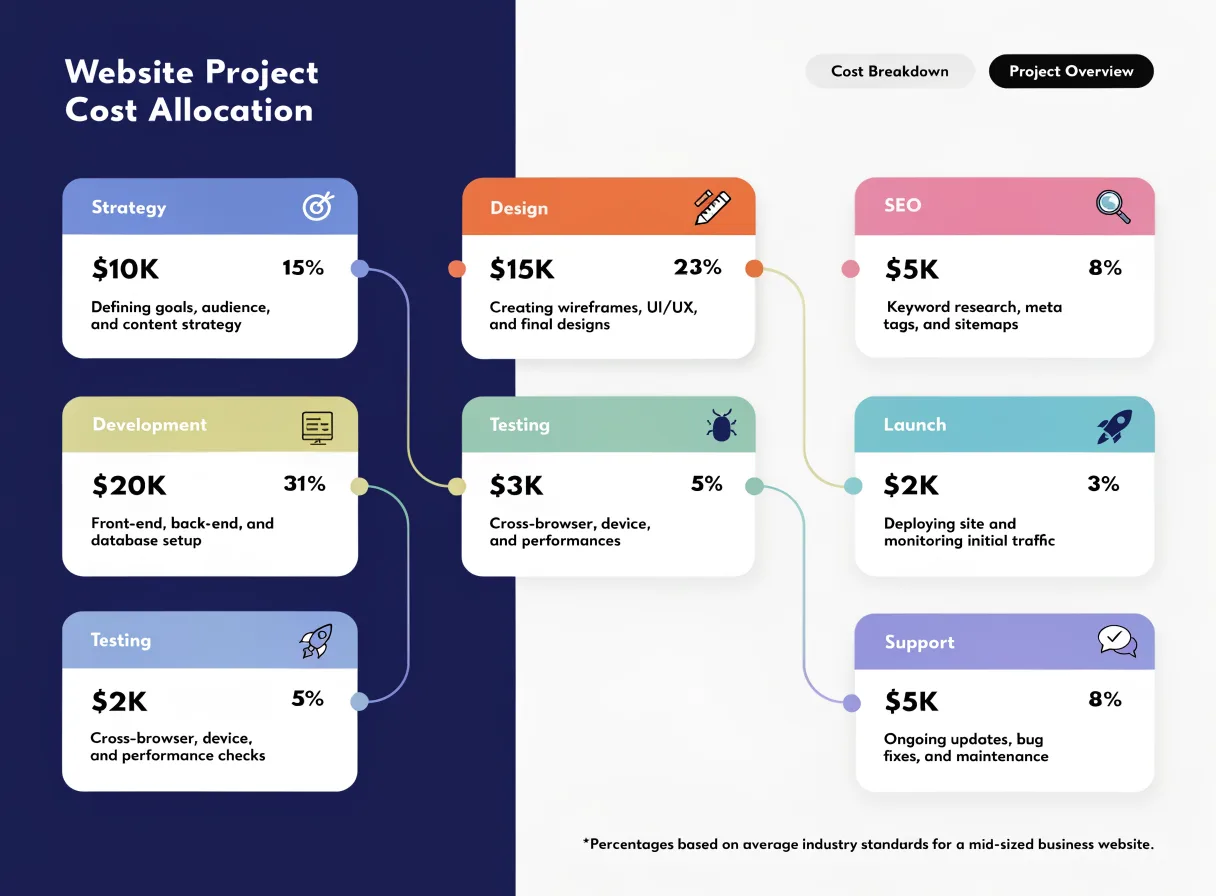
Not all services include:
- Advanced SEO campaigns
- Ongoing content creation
- Logo design
- Branding strategy
- Paid advertising management
- Social media marketing
Always ask what is included before signing an agreement.
Questions to Ask Before Hiring a Web Designer
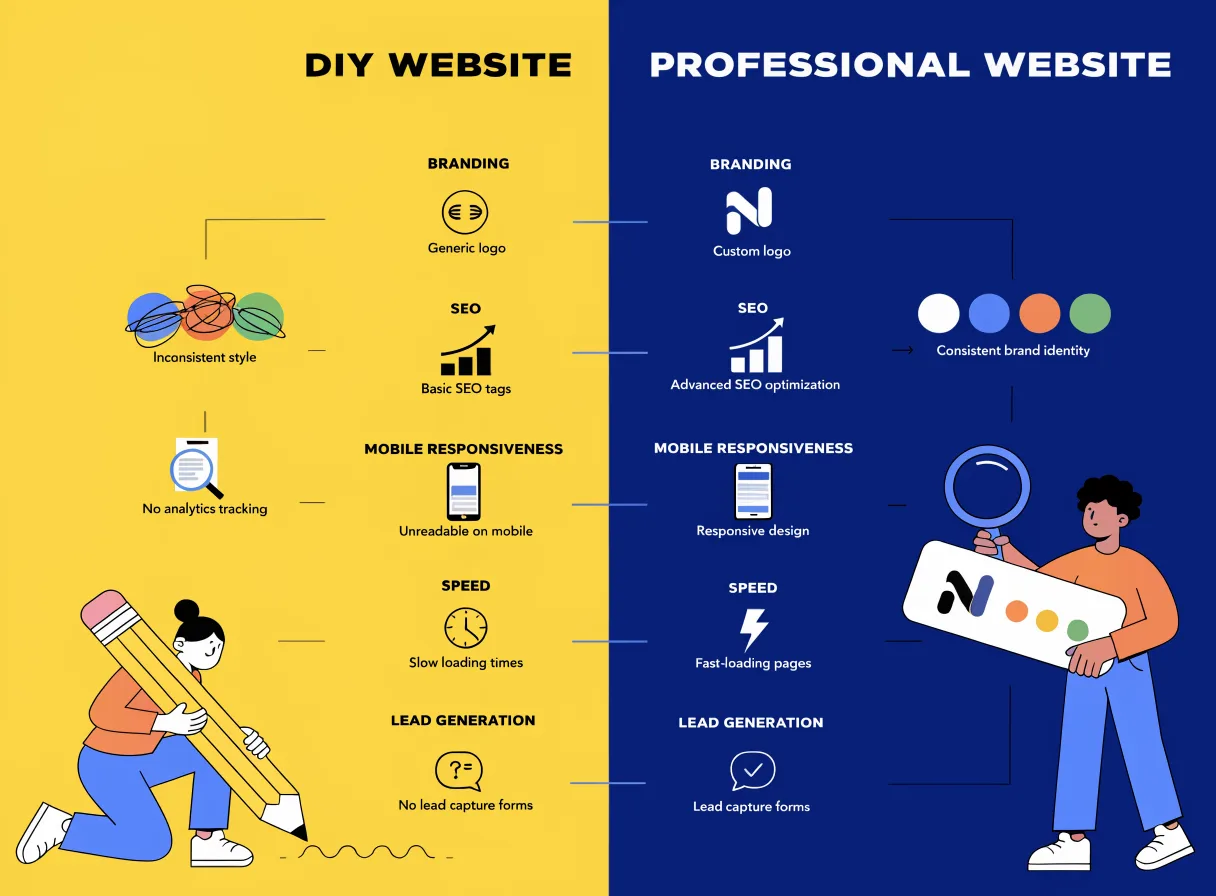
Before choosing a provider, ask:
- What's included in the price?
- Is SEO setup included?
- Will the website be mobile-friendly?
- Who owns the website after launch?
- Is training provided?
- Is maintenance available?
- How many revisions are included?
- What support is available after launch?
These questions can help avoid misunderstandings later.
Frequently Asked Questions
1. Does website design include SEO?
Most professional services include basic SEO setup, but not always ongoing SEO campaigns.
2. Will I be able to update my website myself?
In most cases, yes—especially if the website is built with WordPress.
3. Are hosting and domain names included?
Sometimes, but not always. Always verify beforehand.
4. How long does website development take?
Most business websites take between 2 and 8 weeks.
5. Is content writing included?
Some agencies offer copywriting services, while others require clients to provide content.
6. Do I need maintenance after launch?
Yes. Regular updates and security monitoring are recommended.
7. What platform is best for business websites?
WordPress remains one of the most popular and flexible solutions.
8. Should I choose the cheapest quote?
Not necessarily. Focus on value, expertise, and long-term results.
Conclusion
Professional website design services involve much more than creating attractive pages.
A successful website combines:
- Strategy
- Design
- Development
- SEO
- Security
- Performance
- User experience
Understanding what's included helps you make informed decisions and invest confidently in your online presence.
When evaluating website proposals, remember:
The cheapest option isn't always the best value.
The right website can generate leads, build trust, and support your business growth for years to come.