Introduction

You've invested in a website.
You've published content.
You've launched your business online.
Yet when you search for your services on Google, your website is nowhere to be found.
Sound familiar?
This is one of the most common frustrations business owners face.
Many assume that simply having a website guarantees visibility in Google Search.
Unfortunately, that's not how search engines work.
Google evaluates millions of websites and decides which pages deserve to appear at the top of search results.
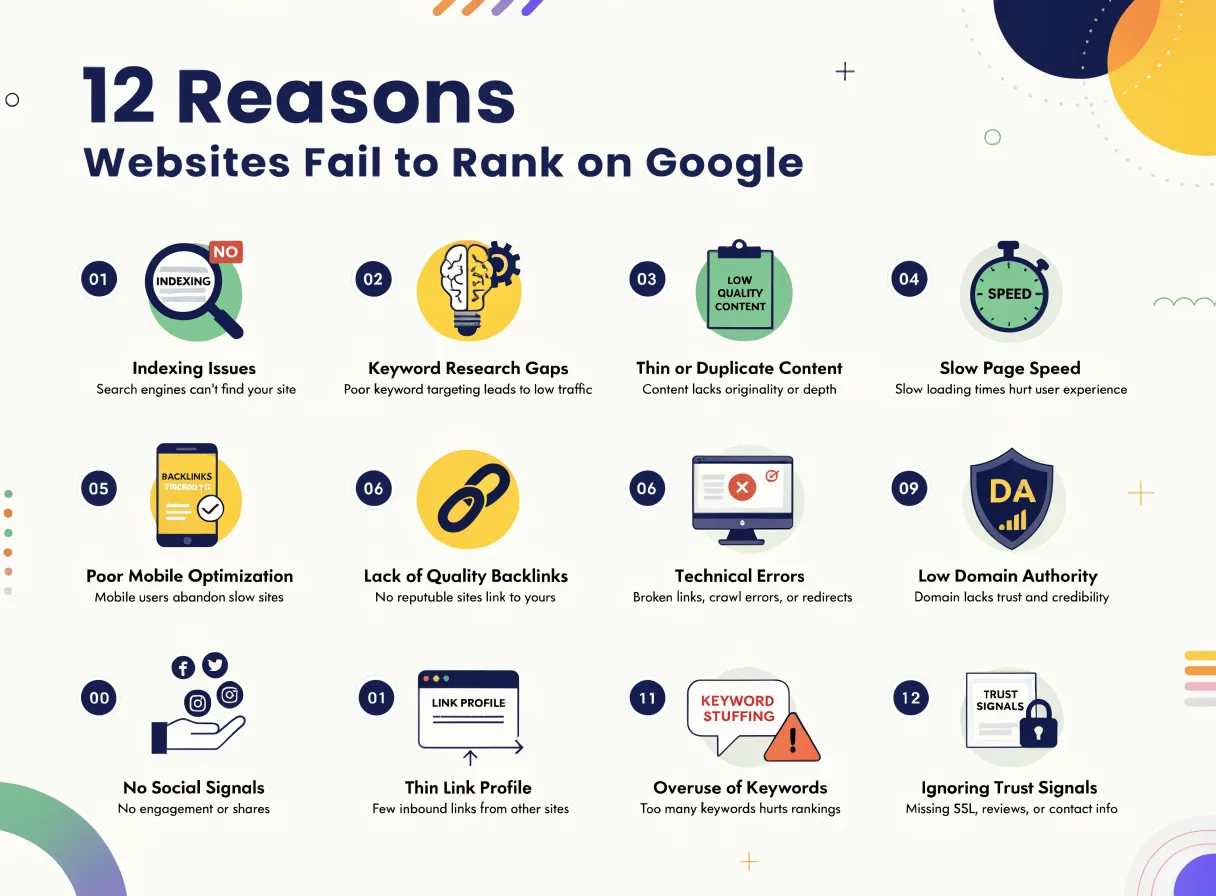
If your website isn't ranking, there's usually a reason.
The good news?
Most ranking issues can be identified and fixed.
Let's explore the most common causes.
1. Your Website Is Too New
One of the simplest explanations is age.
Google typically takes time to:
- Discover new websites
- Crawl pages
- Understand content
- Build trust
A website launched last week should not expect to rank immediately.
What to Do
Be patient Publish quality content Submit your website to Google Search Console Continue improving your website
SEO is a long-term investment.
2. Google Hasn't Indexed Your Website
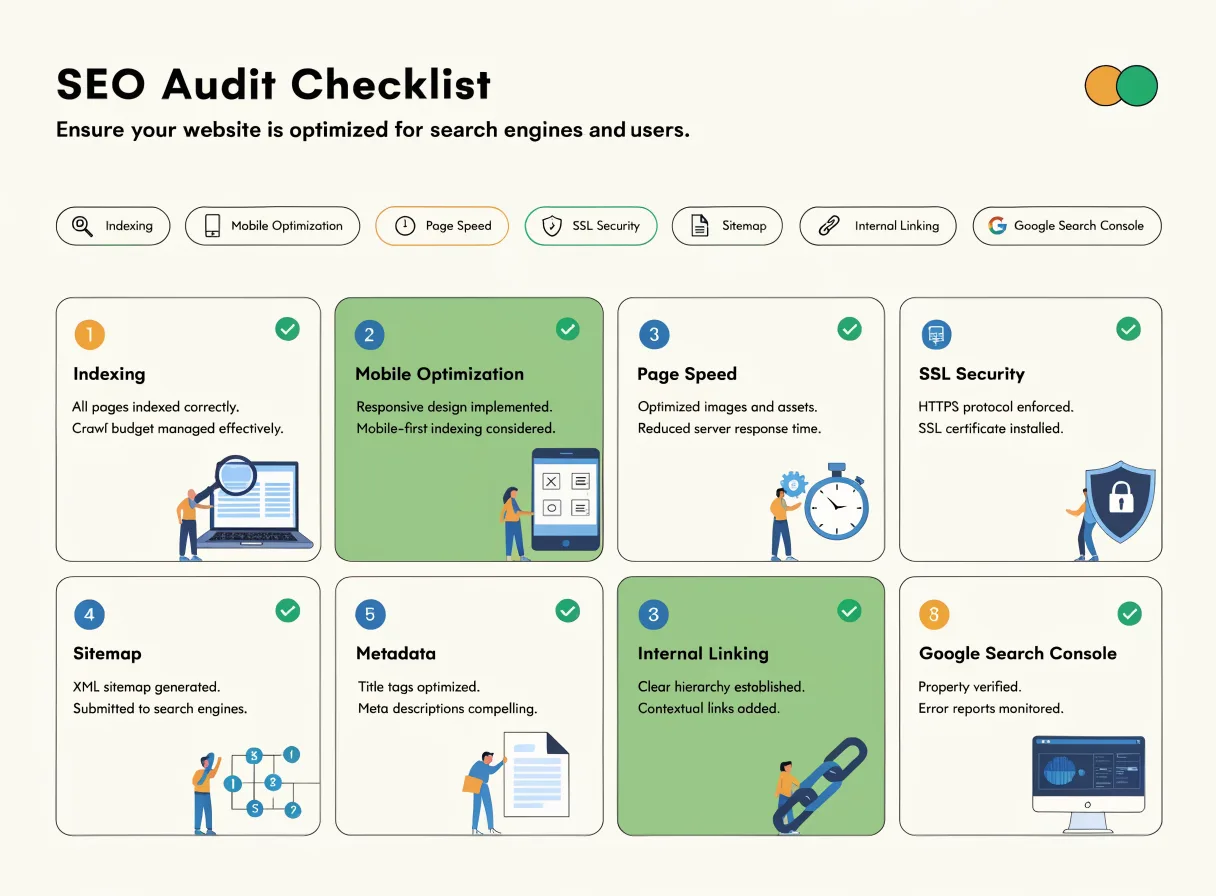
If Google hasn't indexed your pages, they cannot appear in search results.
A surprising number of websites have indexing issues.
Signs of an Indexing Problem
Search Google:
site:yourdomain.com
If few or no pages appear, indexing may be the problem.
Solution
Create an XML sitemap Submit it through Google Search Console Check for indexing errors
3. You're Targeting the Wrong Keywords
Many businesses accidentally target keywords that:
- Are too competitive
- Have little search volume
- Don't match customer intent
For example:
Trying to rank for:
"Marketing"
is far more difficult than:
"Digital marketing agency in Athens"
Solution
Focus on:
- Local keywords
- Service-specific keywords
- Long-tail search phrases
4. Your Website Has Little or No Content
Google ranks information.
If your website contains only:
- Home page
- About page
- Contact page
it provides very little context.
Websites with helpful content often perform better.
Solution
Create:
- Service pages
- Blog articles
- FAQs
- Projects
The more useful information you provide, the easier it becomes for Google to understand your expertise.
5. Your Content Isn't Helpful
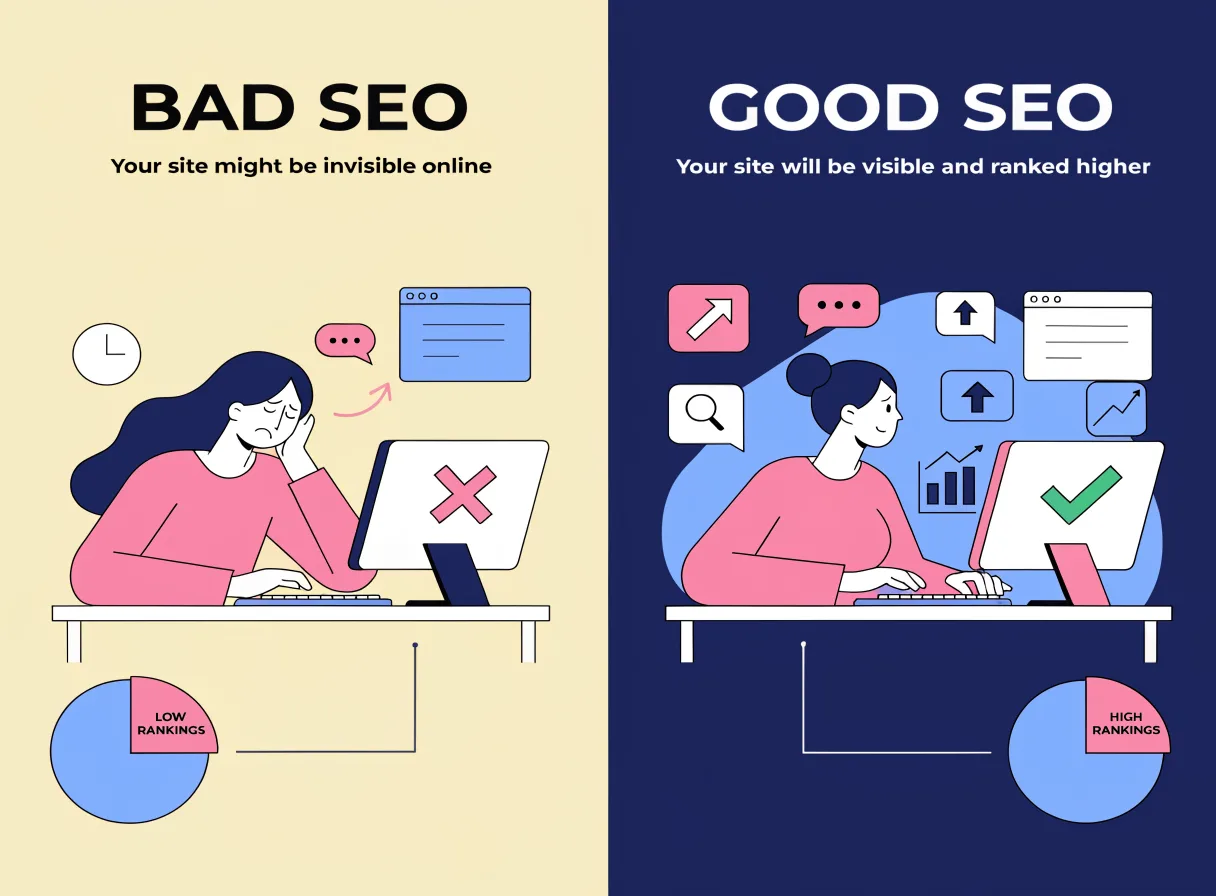
Not all content is equal.
Google increasingly rewards content that genuinely helps users.
Weak Content Often Includes
Generic information AI-generated text with no insights Thin pages Keyword stuffing
Strong Content Includes
Practical advice Real-world experience Detailed answers Useful examples
Focus on solving problems rather than chasing rankings.
6. Your Website Is Too Slow
Website speed affects:
- User experience
- Bounce rates
- SEO performance
Visitors expect pages to load quickly.
If your website is slow, users may leave before engaging.
Solution
Compress images Improve hosting Remove unnecessary plugins Optimize website performance
Fast websites tend to rank better.
7. Your Website Isn't Mobile-Friendly
Google uses mobile-first indexing.
This means Google primarily evaluates the mobile version of your website.
Common Mobile Problems Small text Broken layouts Difficult navigation Slow loading
Solution
Use responsive design and test your website on multiple devices.
8. Your Competitors Have Stronger SEO

Sometimes the issue isn't your website.
Your competitors may simply have:
- Better content
- More authority
- More backlinks
- Stronger local presence
- Solution
Analyze competing websites.
Look for:
- Topics they cover
- Content quality
- SEO structure
- Opportunities they missed
SEO is often a competitive process.
9. You Have Few or No Backlinks
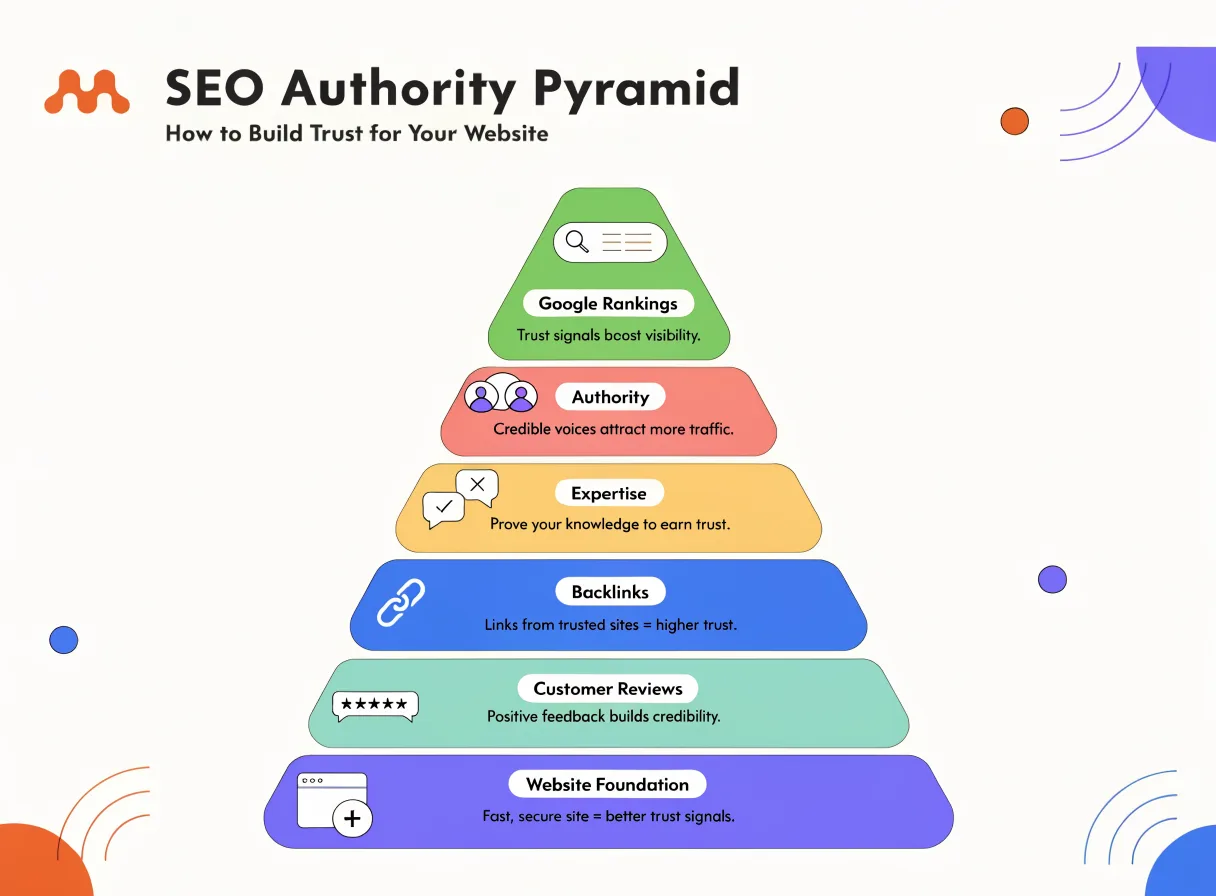
Backlinks remain an important ranking factor.
A backlink is a link from another website pointing to yours.
Google often interprets backlinks as trust signals.
How to Earn Backlinks
Publish useful content Create guides and resources Build local partnerships Gain mentions from industry websites
Avoid buying low-quality backlinks.
10. Your Website Has Technical SEO Issues
Technical problems can prevent rankings.
Common issues include:
- Broken pages
- Duplicate content
- Missing metadata
- Crawl errors
- Redirect problems
- Solution
Regular SEO audits can identify technical issues before they affect performance.
11. Your Website Lacks Trust Signals
Google wants to recommend trustworthy businesses.
Trust signals include:
Customer Reviews
Positive feedback demonstrates credibility.
About Us Information
Clearly explain who you are.
Contact Details
Display accurate contact information.
Projects
Show real results.
Trust helps both users and search engines.
12. You're Expecting Results Too Quickly
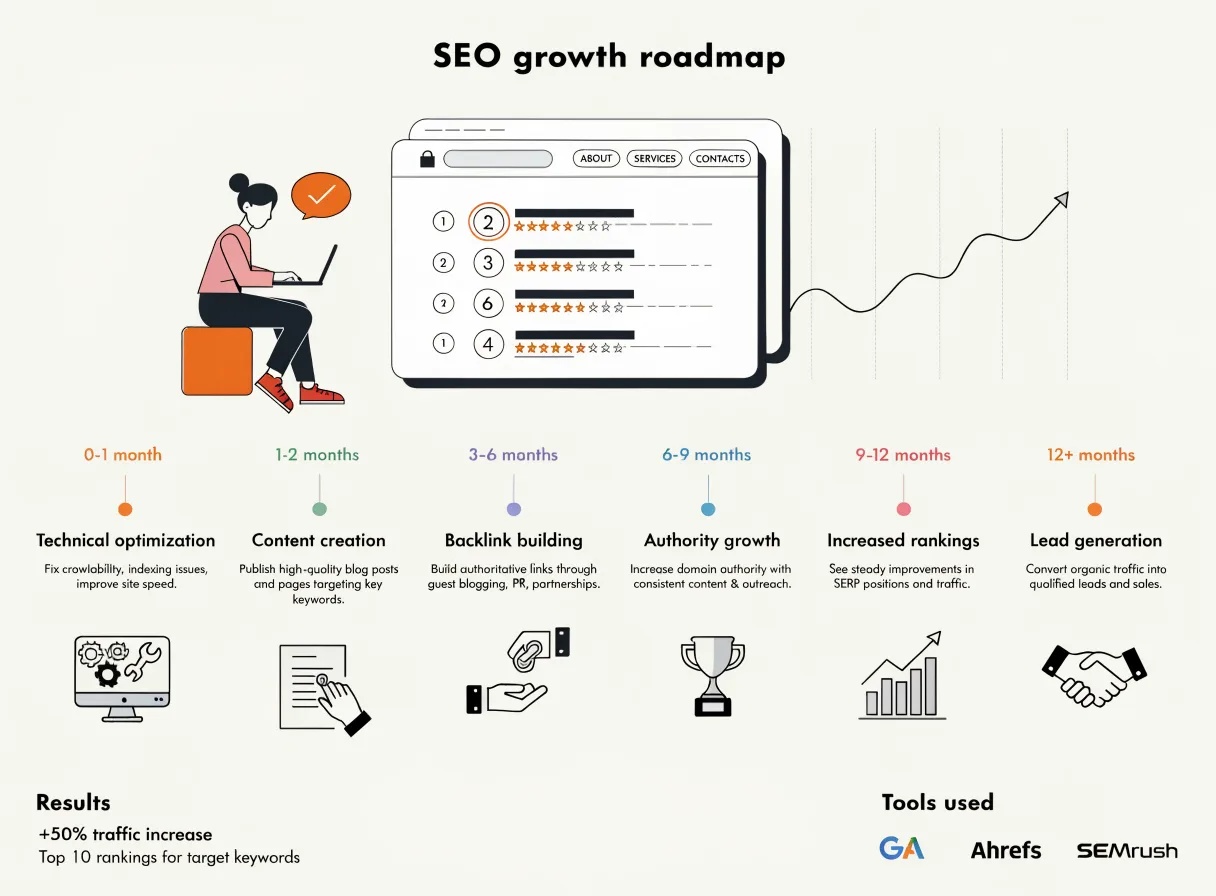
Perhaps the most common problem is unrealistic expectations.
Many business owners expect:
- Rankings in days
- Traffic in weeks
- Immediate leads
SEO rarely works that way.
Most successful SEO campaigns take time to build momentum.
Consistency is often the deciding factor.
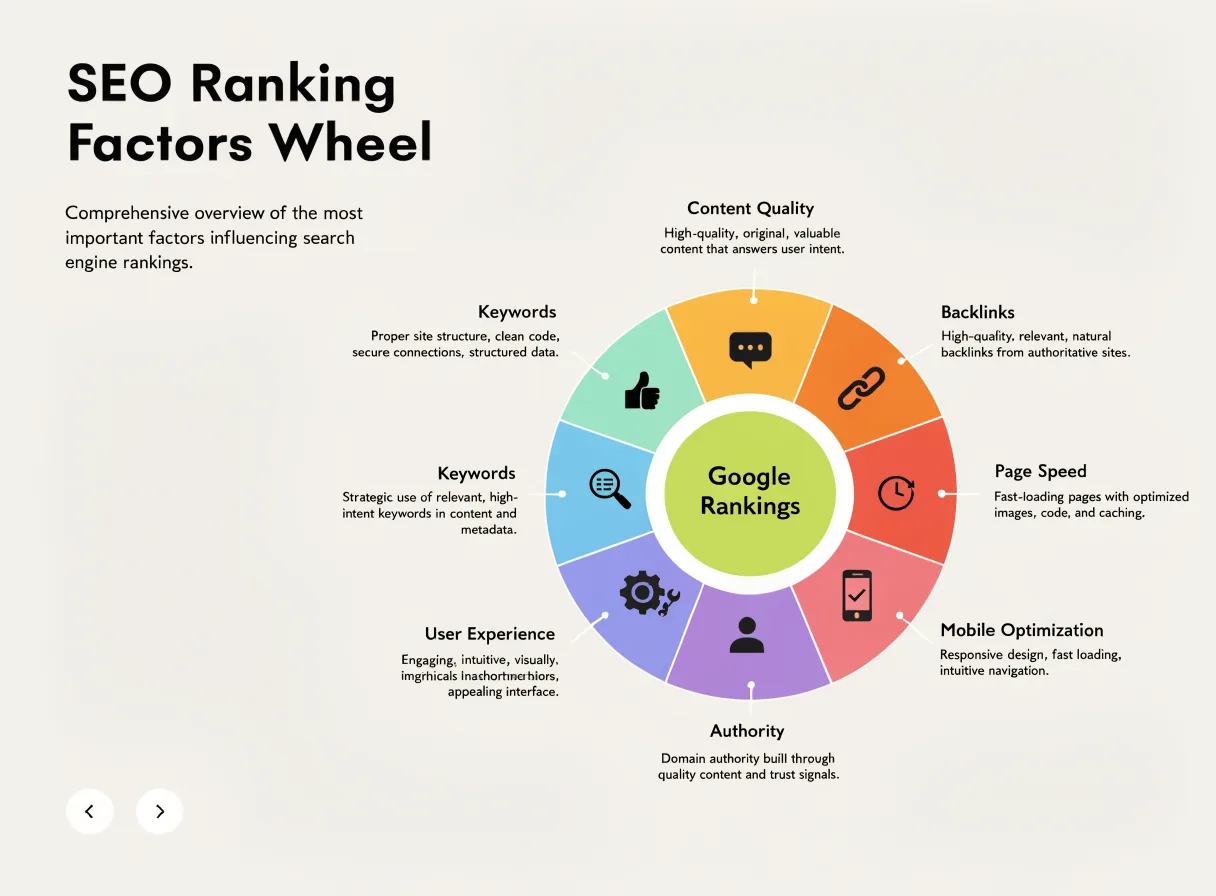
How to Improve Your Rankings
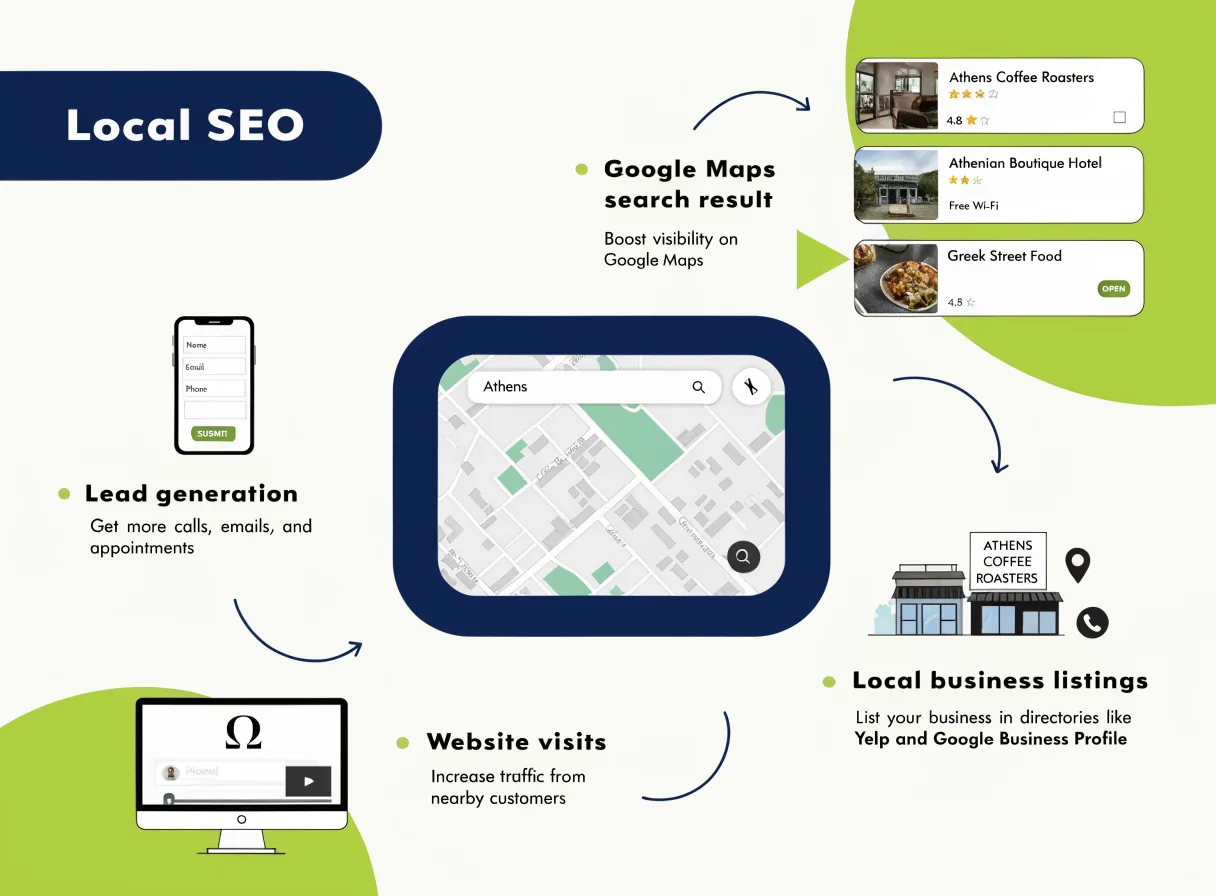
If your website isn't ranking, focus on:
Content Quality
Create useful content.
Local SEO
Optimize for local searches.
Technical Performance
Improve speed and usability.
Authority Building
Earn quality backlinks and mentions.
User Experience
Make your website easy to use.
Google rewards websites that provide value.
The Biggest SEO Myth
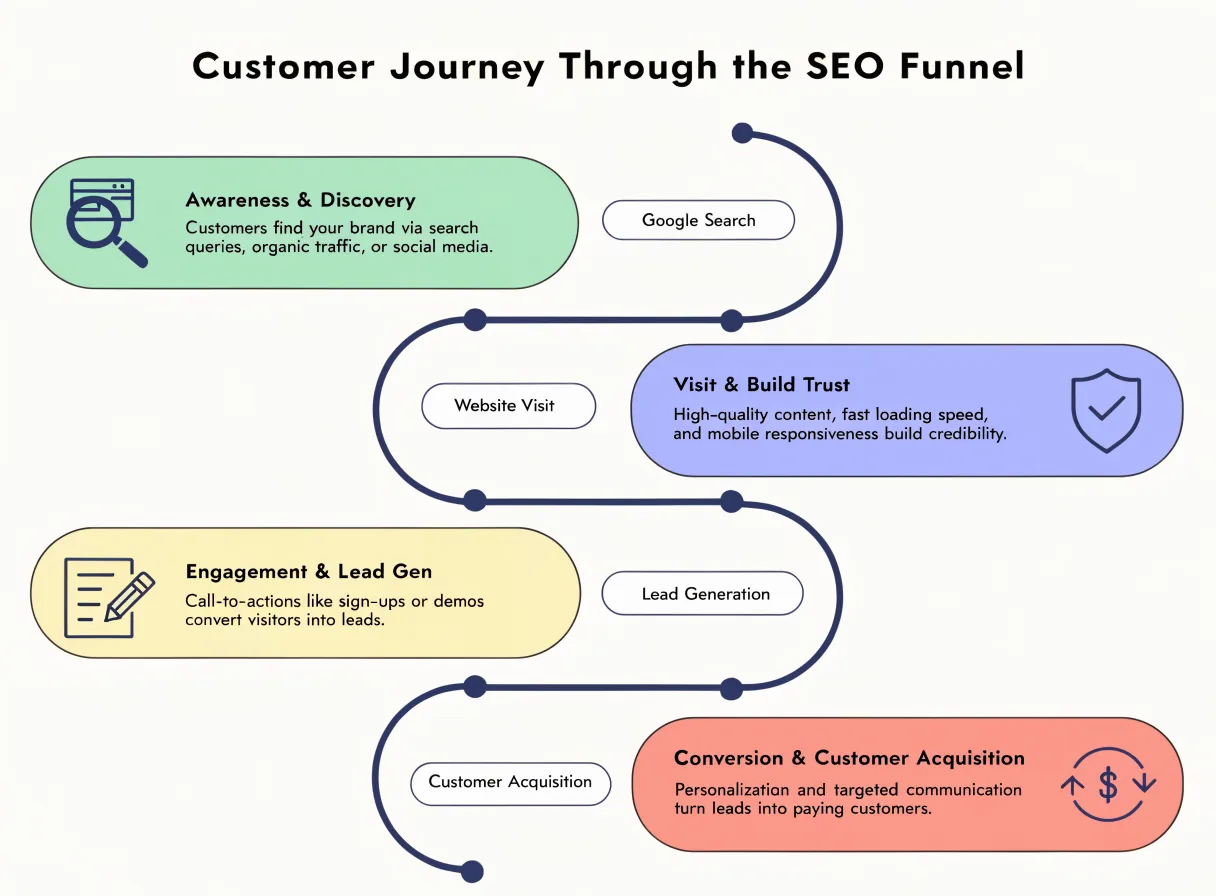
Many business owners believe:
"If I build a website, customers will automatically find me."
The reality is different.
A website is only the foundation.
SEO helps people discover that website.
Without visibility, even the best-designed website can struggle to attract traffic.
Frequently Asked Questions
1. Why doesn't my website appear on Google?
The most common reasons are indexing issues, poor SEO, limited content, or strong competition.
2. How long does SEO take?
Most websites require several months to see significant improvements.
3. Can a new website rank quickly?
It's possible for low-competition keywords, but most websites need time to build authority.
4. Do backlinks still matter?
Yes. Quality backlinks remain an important ranking signal.
5. How often should I publish content?
Consistency matters more than frequency. Focus on publishing helpful content regularly.
6. Does website speed affect rankings?
Yes. Speed influences both user experience and SEO performance.
7. Is local SEO important?
Absolutely. Local SEO is essential for businesses serving specific geographic areas.
8. Can I do SEO myself?
Yes, but professional guidance often helps businesses avoid costly mistakes.
Conclusion
If your website isn't ranking on Google, don't panic.
The issue is usually not a mystery.
In most cases, rankings are limited by one or more factors:
- Weak content
- Technical problems
- Poor keyword targeting
- Limited authority
- Lack of patience
The businesses that succeed with SEO are rarely the ones looking for shortcuts.
They're the ones consistently improving their websites, helping their audience, and building trust over time.
Google's goal is simple:
Deliver the best answers to users.
The closer your website gets to being the best answer, the higher your rankings are likely to become.