Introduction
Many business owners believe that simply having a website is enough.
However, in today's competitive digital landscape, having a website and having a professionally designed website are two very different things.
Think about it this way:
If a customer walks into a physical store that looks outdated, cluttered, and difficult to navigate, they're unlikely to stay long.
The same principle applies online.
Your website is often the first impression potential customers have of your business. Within seconds, visitors decide whether they trust your company enough to continue exploring—or leave and visit a competitor.
That's why professional web design is no longer a luxury. It's a critical business investment.
What Is Professional Web Design?
Professional web design goes beyond creating an attractive layout.
It combines:
- Visual design
- User experience (UX)
- Mobile responsiveness
- Website speed
- Search engine optimization
- Conversion optimization
- Brand consistency
The goal isn't simply to make a website look good.
The goal is to help visitors become customers.
1. First Impressions Matter More Than Ever
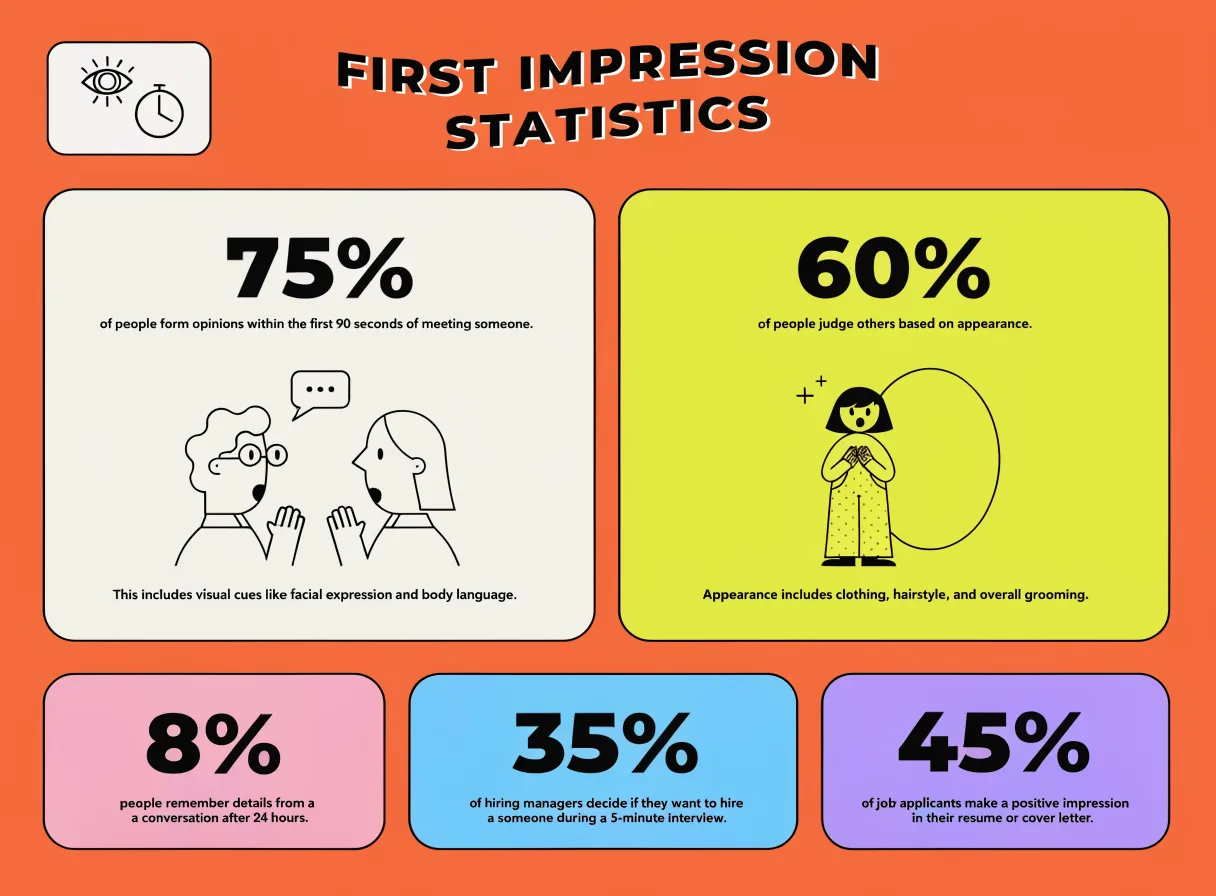
Research consistently shows that users form an opinion about a website within a few seconds.
When visitors land on your website, they immediately evaluate:
- Professionalism
- Credibility
- Trustworthiness
- Quality
A modern, well-designed website creates confidence.
An outdated website often creates doubt.
Even if your products or services are excellent, poor design can drive potential customers away before they learn about your business.
2. Professional Design Builds Trust
Trust is one of the most important factors in online purchasing decisions.
Visitors are more likely to trust a business when its website appears:
- Modern
- Organized
- Secure
- Easy to navigate
Trust signals include:
- Professional branding
- Customer testimonials
- Clear contact information
- High-quality imagery
- Secure HTTPS connections
A professional website reassures visitors that your business is legitimate and reliable.
3. Better Design Improves User Experience
A website should make it easy for users to find what they need.
Professional web design focuses on:
Clear Navigation
Visitors should immediately understand where to click.
Logical Structure
Information should be organized naturally.
Mobile-Friendly Layouts
Users should enjoy the same experience on phones, tablets, and desktops.
When users can navigate easily, they stay longer and engage more.
4. Professional Web Design Supports SEO
Many people think SEO and web design are separate.
In reality, they work together.
A professionally designed website typically includes:
- Fast loading speeds
- Mobile responsiveness
- Clean code structure
- SEO-friendly architecture
- Optimized page layouts
These factors help search engines understand and rank your website.
Without a solid foundation, even the best SEO strategy can struggle.
5. Mobile Users Expect a Seamless Experience
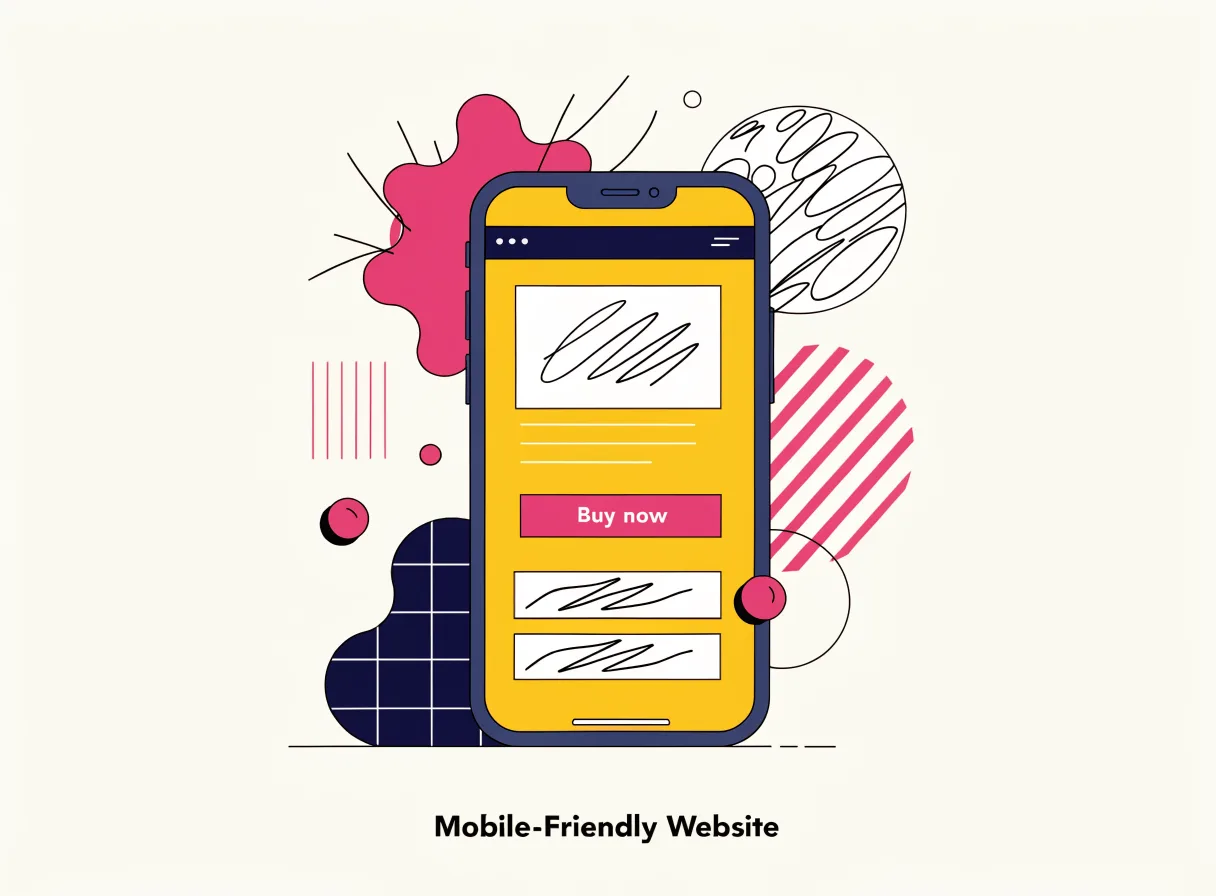
Today, most website traffic comes from smartphones.
If visitors need to:
- Zoom in to read text
- Struggle with menus
- Wait for pages to load
they often leave immediately.
Professional web design prioritizes mobile usability from the beginning.
This improves both user satisfaction and search visibility.
6. Better Websites Generate More Leads
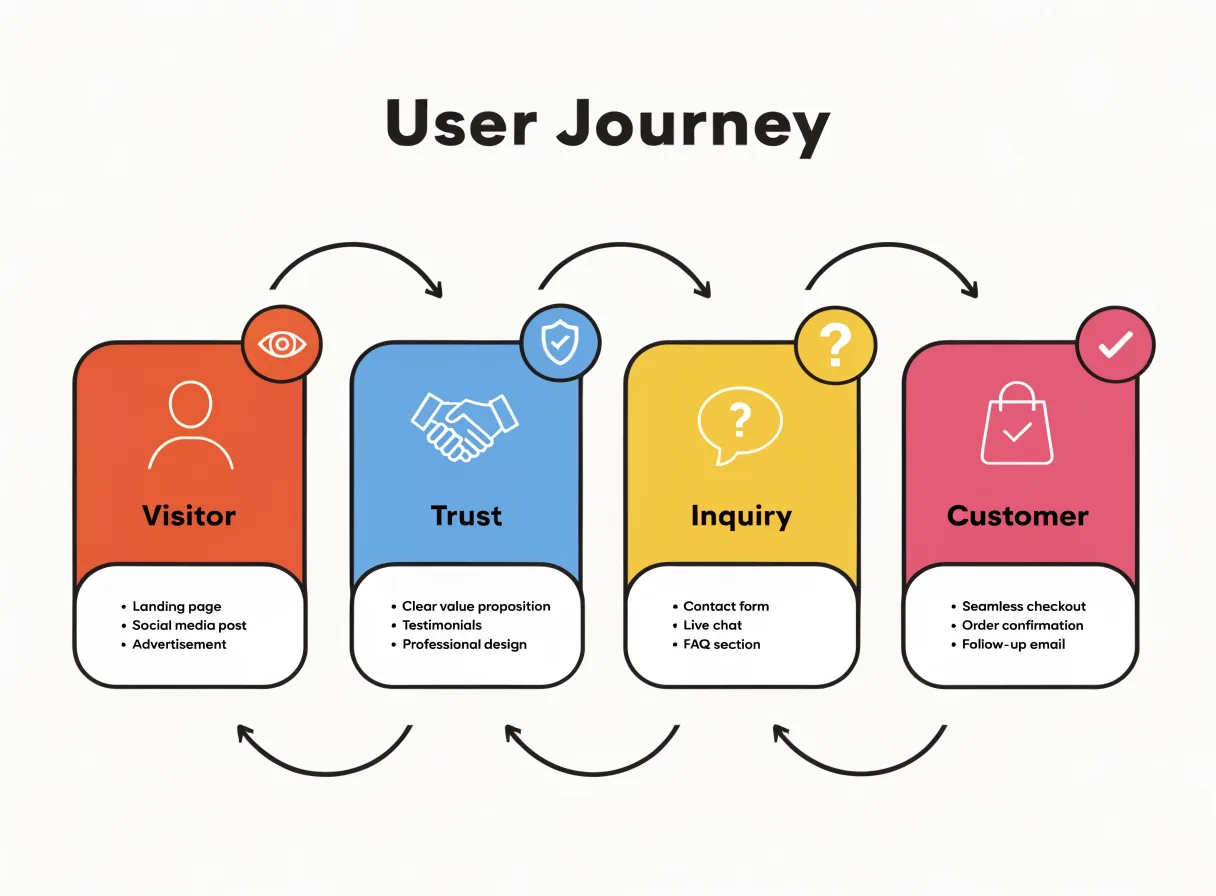
A beautiful website is valuable.
A website that generates inquiries is even more valuable.
Professional web designers understand conversion optimization.
They strategically place:
- Contact forms
- Call-to-action buttons
- Phone numbers
- Quote request forms
to encourage visitors to take action.
The result is more leads and more opportunities to grow your business.
7. Strong Design Strengthens Your Brand
Your website should reflect your brand identity consistently.
Professional design ensures alignment across:
- Colors
- Typography
- Messaging
- Images
- Visual style
Consistency helps customers remember your business and builds stronger brand recognition over time.
8. Professional Websites Load Faster
Website speed has become increasingly important.
Visitors expect websites to load quickly.
Slow websites often experience:
- Higher bounce rates
- Lower conversions
- Reduced search visibility
Professional web development focuses on performance optimization through:
- Image compression
- Efficient coding
- Proper hosting configurations
- Modern technologies
A faster website creates a better overall experience.
9. Good Design Helps You Stand Out from Competitors
Many businesses still rely on outdated websites built years ago.
A modern website can instantly differentiate your business.
Visitors often compare multiple providers before making a decision.
A professional website can become the deciding factor that convinces customers to choose you instead of a competitor.
10. Your Website Works 24/7
Unlike a physical location, your website never closes.
It can:
- Answer questions
- Showcase services
- Capture leads
- Generate inquiries
- Support sales
at any time of day.
A professionally designed website functions as a digital salesperson working around the clock.
Common Signs Your Website Needs a Redesign
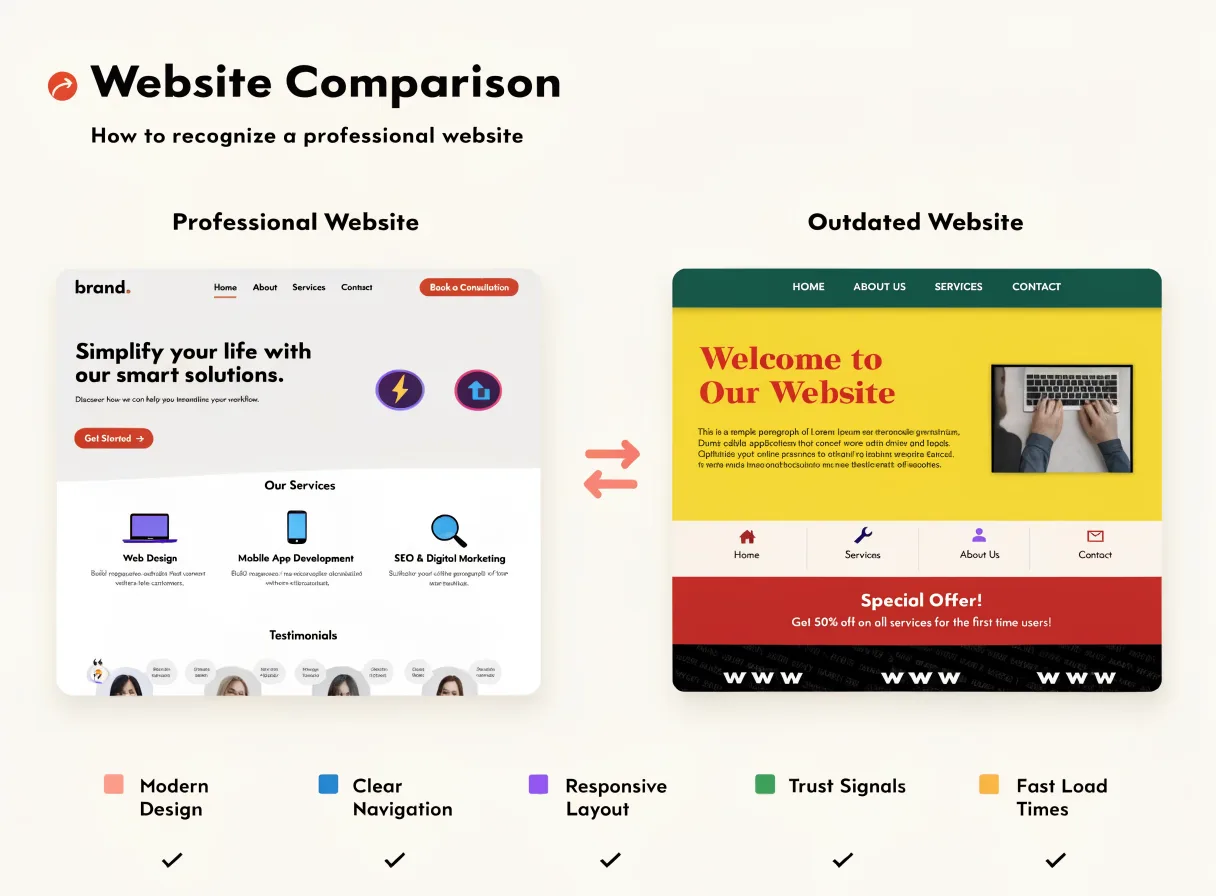
Many business owners wonder whether their current website is still effective.
You may need a redesign if:
- Your website looks outdated
- It isn't mobile-friendly
- Pages load slowly
- You're not generating inquiries
- Competitors have stronger websites
- Search rankings are declining
- Navigation feels confusing
If several of these apply, it may be time for an upgrade.
Professional Design vs DIY Website Builders
Website builders have made creating websites easier than ever.
However, there are important differences.
| DIY Website Builder | Professional Web Design |
|---|---|
| Lower upfront cost | Higher long-term value |
| Limited customization | Fully customized |
| Basic SEO setup | Advanced optimization |
| Generic appearance | Unique branding |
| Self-managed | Expert guidance |
DIY tools can work for some businesses.
However, companies focused on growth often benefit from professional expertise.
The Return on Investment of Professional Web Design
A professionally designed website isn't simply an expense.
It's an investment.
Benefits may include:
- More qualified leads
- Higher conversion rates
- Better search rankings
- Improved customer trust
- Stronger brand awareness
Over time, these benefits often generate significantly more value than the initial cost of development.
Frequently Asked Questions
1. Is professional web design worth the investment?
Yes. A professionally designed website often generates better results in terms of trust, conversions, and search visibility.
2. How often should I redesign my website?
Most businesses should review their website every 3–5 years to ensure it remains competitive.
3. Does web design affect SEO?
Absolutely. Website speed, mobile usability, structure, and user experience all influence search performance.
4. Can a better website increase sales?
Yes. Improved design often leads to higher engagement, stronger trust, and more conversions.
5. Is WordPress suitable for professional websites?
Yes. WordPress powers many professional websites and offers excellent flexibility when properly developed.
6. What is the biggest mistake businesses make with websites?
Treating the website as an online brochure instead of a lead-generation tool.
7. Does mobile design really matter?
Yes. Mobile traffic now represents the majority of website visits for most businesses.
8. How do I know if my website is outdated?
If it looks old, loads slowly, performs poorly on mobile devices, or fails to generate leads, it may need a redesign.
Conclusion
In 2026, professional web design is about much more than aesthetics.
It's about creating a website that:
- Builds trust
- Supports SEO
- Strengthens your brand
- Generates leads
- Improves customer experience
Businesses that invest in professional web design position themselves for long-term growth and competitive advantage.
A website is often the first interaction customers have with your brand.
Make sure it's making the right impression.