
Artificial intelligence has changed the way people search, compare, and make buying decisions. Tools like ChatGPT, Google’s AI features, and other answer engines can now give quick responses without making users click through ten different websites. So, it’s fair for business owners to ask: Will AI and ChatGPT Kill SEO?
The clear answer is no. SEO is not dead. However, it is changing fast.
In the past, SEO was mainly about ranking on the first page of Google for specific keywords. Today, SEO is also about becoming a trusted source that search engines, AI tools, and real people can understand. That means your website still matters, but the way you create content, structure your pages, and prove your authority must improve.
Google has also made it clear that SEO best practices remain important for visibility in generative AI features such as AI Overviews and AI Mode. These AI experiences still depend on Search systems, indexed pages, technical structure, and helpful content.
How AI Is Changing Search
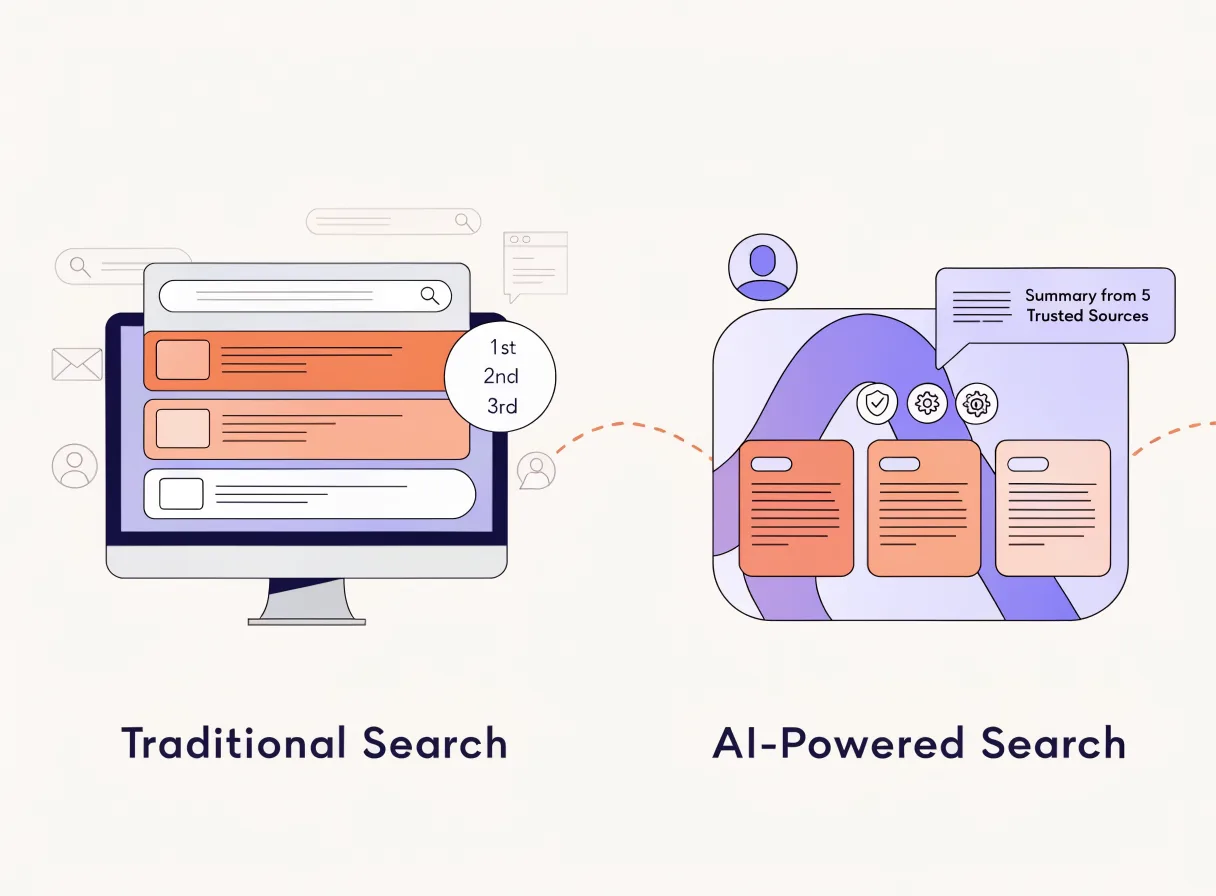
AI is changing search because people no longer ask questions in the same way. Instead of typing short phrases like “web design Greece” or “SEO agency near me,” users now ask full questions, such as:
“What is the best way for a small business in Greece to improve its Google rankings without spending too much on ads?”
This is a big shift. Search is becoming more conversational, more specific, and more focused on intent. People want useful answers, not just a list of links.
ChatGPT search, for example, can provide timely answers with links to relevant web sources. OpenAI says ChatGPT can search the web and give users answers based on current information, which makes it feel more like a conversation than a traditional search engine.
For business owners, this means one thing: your content must answer real questions clearly. Thin pages, generic blog posts, and keyword-stuffed text will become weaker over time. Helpful, original, and well-structured content will become stronger.
Why SEO Is Not Dead
SEO is not dying because people still need to discover businesses, compare options, and trust sources before making decisions. AI may change the path, but it does not remove the need for visibility.
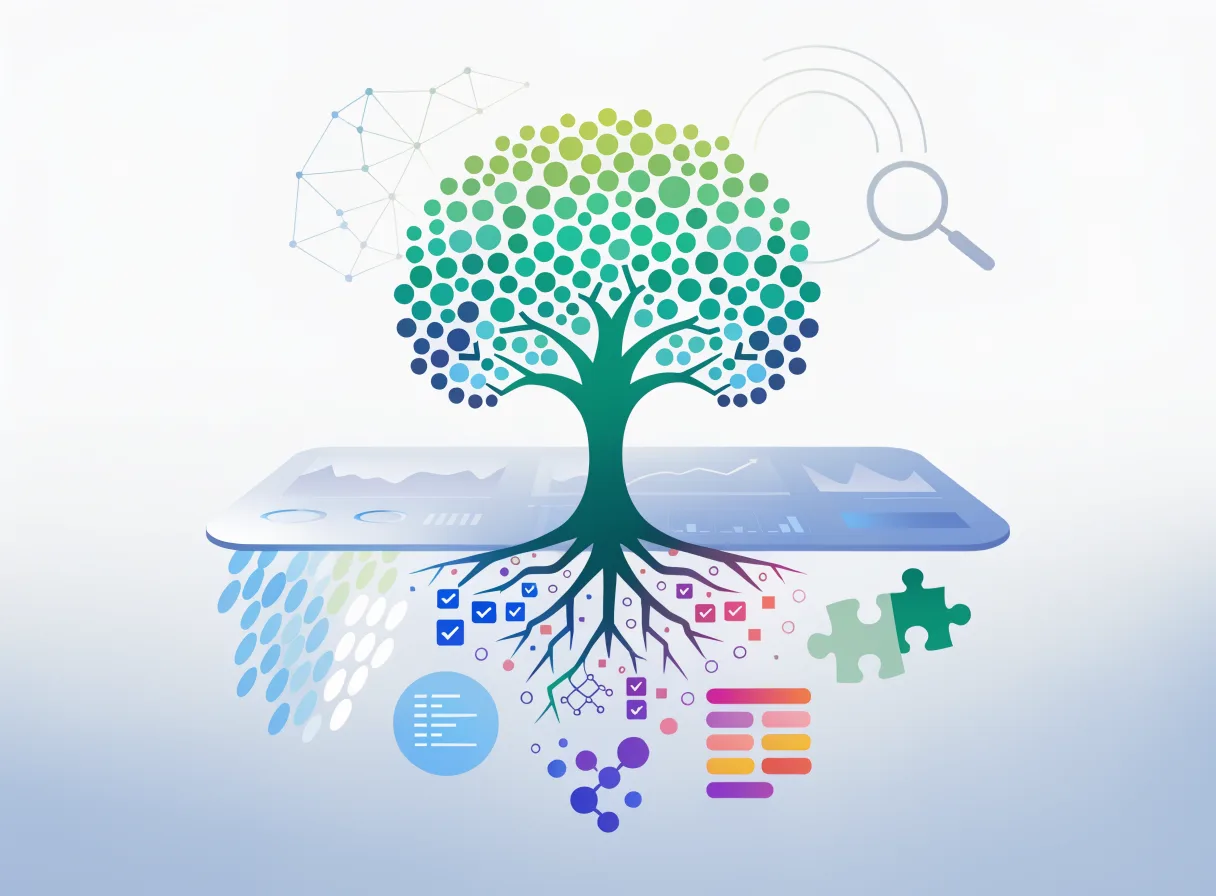
Think of SEO as the foundation of your digital presence. If your website is hard to crawl, slow, unclear, or full of weak content, AI search will not magically fix that. In fact, poor SEO may make your business even harder to find.
Google’s guidance says that generative AI search still relies on core Search ranking and quality systems. That means technical SEO, helpful content, user experience, and authority are still part of the game.
The difference is that SEO is no longer only about “ranking number one.” It is about being visible across search results, AI summaries, local listings, maps, videos, images, and answer-style search experiences.
In simple words, SEO is becoming broader. Businesses that adapt will not lose. They will gain an advantage.
What Business Owners Should Stop Doing
Some old SEO tactics are becoming less useful. If your business still depends on outdated methods, now is the time to adjust.
Avoid these mistakes:
- Writing blog posts only for keywords
- Publishing AI-generated content without adding value
- Copying what competitors already wrote
- Creating many weak pages just to target similar search phrases
- Ignoring website speed and mobile experience
- Treating SEO as a one-time task
- Measuring success only by rankings
Google’s guidance on generative AI content says AI can be useful for research and structure, but using AI to create many pages without real value may violate spam policies.
So, the issue is not whether you use AI. The real issue is whether your content is useful, accurate, and genuinely helpful.
What Business Owners Should Do Instead

To succeed in the AI search era, your business needs content that feels human, expert, and trustworthy.
Start by answering the questions your customers actually ask. For example, if you run a web design agency, do not only write “we build websites.” Write about pricing, timelines, SEO risks, design quality, WordPress vs custom design, and what clients should prepare before starting.
This type of content works because it helps people make decisions.
Your website should also show real experience. Add examples, case studies, before-and-after results, client problems, project processes, and local knowledge. AI tools can summarize common information, but they cannot replace your specific experience.
Google recommends creating unique, valuable, people-first content that provides something beyond common knowledge.
The Role of E-E-A-T in AI Search

E-E-A-T stands for Experience, Expertise, Authoritativeness, and Trustworthiness. It is not a simple score, but it is a useful way to think about content quality.
For business owners, this means your website should make visitors feel safe choosing you.
You can improve E-E-A-T by adding:
- Clear service pages
- Real business details
- Author information
- Customer reviews
- Case studies
- Portfolio examples
- Transparent pricing guidance
- Helpful FAQs
- Updated content
- Contact information
When AI tools look for reliable information, they are more likely to favor content that is clear, complete, and trustworthy. The same is true for human readers.
Will AI Reduce Website Traffic?
In some cases, yes. AI answers may reduce clicks for simple informational searches. For example, if someone asks “What is SEO?” they may get the answer directly without visiting a website.
But this does not mean all traffic disappears. It means low-value traffic may decrease while high-intent traffic becomes more important.
A person asking “What is SEO?” may not be ready to buy. But a person asking “Should I hire an SEO agency for my local business?” is much closer to making a decision.
This is where businesses can win. Instead of chasing every possible visitor, focus on attracting the right visitors.
How ChatGPT Changes Customer Research
ChatGPT changes how people research because it helps users compare options quickly. A potential customer may ask:
- “What should I ask before hiring a web designer?”
- “How do I know if an SEO agency is good?”
- “Is Google Ads better than SEO for a small business?”
- “How much should branding cost?”
- “What makes a website trustworthy?”
These are decision-stage questions. If your website answers them better than your competitors, your business becomes easier to trust.
Also, OpenAI’s help center says ChatGPT Search may include cited sources and links when it searches the web. It also notes that inclusion depends on factors such as reliable and relevant information, and that there is no guaranteed top placement.
That means your goal is not to “trick” ChatGPT. Your goal is to become a strong, reliable source online.
The New SEO Strategy for Business Owners

The new SEO strategy is not about choosing between Google and AI. It is about building a website that works for both.
Here is a practical approach:
| SEO Area | What to Focus On |
|---|---|
| Content | Answer real customer questions with depth and clarity |
| Technical SEO | Make sure your site is fast, crawlable, mobile-friendly, and well structured |
| Local SEO | Keep your Google Business Profile accurate and collect reviews |
| Authority | Publish expert content, case studies, and original insights |
| User Experience | Make pages easy to read, navigate, and act on |
| Conversion | Add clear calls to action, contact forms, and service explanations |
Google introduced dedicated Search Console reports in June 2026 for visibility within generative AI features such as AI Overviews and AI Mode, although the rollout started with a subset of websites. This shows that AI visibility is becoming something website owners will increasingly need to monitor.
Should You Use AI to Create SEO Content?
Yes, but carefully.
AI can help you brainstorm topics, organize outlines, summarize research, and improve readability. It can save time and support your content process.
However, AI should not replace your thinking. If every business uses the same tools to create the same generic articles, the internet becomes full of copycat content. That kind of content will not help your brand stand out.
The best approach is human-led, AI-assisted content. Use AI for speed, but add your own examples, client experience, opinions, data, and local understanding.
For example, an article about website costs in Greece should include real pricing context, local market factors, business types, project scope, and practical advice. That is much stronger than a generic article that could apply to any country.
How to Prepare Your Business Website for AI Search
To prepare your website, start with the basics. Make sure your main service pages are clear. Each page should explain what you offer, who it is for, what problems it solves, and what the next step is.
Then, build supporting blog content around common customer questions. This helps both search engines and AI tools understand your expertise.
You should also keep your website technically clean. Use clear headings, internal links, schema where useful, optimized images, and fast-loading pages. Do not hide important content inside complicated design elements that search engines may struggle to process.
Finally, update old content. AI search rewards freshness when the topic changes often. SEO, AI, social media, and web design are all fast-moving topics, so old articles should be reviewed regularly.
FAQs About AI, ChatGPT, and SEO
1. Will AI and ChatGPT Kill SEO completely?
No. AI and ChatGPT will not kill SEO completely. They will change how SEO works. Businesses still need clear websites, helpful content, technical optimization, and trusted online signals.
2. Is blogging still worth it for SEO?
Yes, blogging is still worth it when the content answers real customer questions. Generic posts are weaker now, but useful guides, comparisons, case studies, and pricing articles can still perform very well.
3. Can I use ChatGPT to write my SEO content?
Yes, but you should edit, fact-check, and improve the content with your own expertise. AI can help with structure and ideas, but your final article should include real insight and value.
4. Will Google punish AI-generated content?
Google does not judge content only by whether AI was used. The bigger question is whether the content is helpful, reliable, and made for people instead of manipulation.
5. What is the biggest SEO mistake in the AI era?
The biggest mistake is publishing generic content that adds nothing new. In the AI era, your content needs experience, clarity, examples, and trust.
6. Should small businesses still invest in SEO?
Yes. Small businesses should still invest in SEO because customers continue to search online before buying. SEO also supports visibility in local search, Google Maps, AI search, and decision-stage content.
7. Is AEO or GEO different from SEO?
Some people use terms like AEO and GEO for answer engine or generative engine optimization. However, Google’s guidance says that optimizing for generative AI search is still part of optimizing for the search experience, which means it is still SEO.
Conclusion: SEO Is Not Dead, but Lazy SEO Is
So, Will AI and ChatGPT Kill SEO? No. But they will kill lazy SEO.
The old approach of writing basic articles, repeating keywords, and waiting for rankings is no longer enough. Business owners now need useful content, strong technical foundations, clear brand trust, and real expertise.
AI search is not the end of SEO. It is the next stage of SEO.
The businesses that win will be the ones that answer real questions, show real experience, and make their websites easy for both people and search systems to understand. In other words, SEO is not disappearing. It is becoming more human, more strategic, and more valuable than ever.